How to Make Pudding Paragraph Easy Guide for Beginners
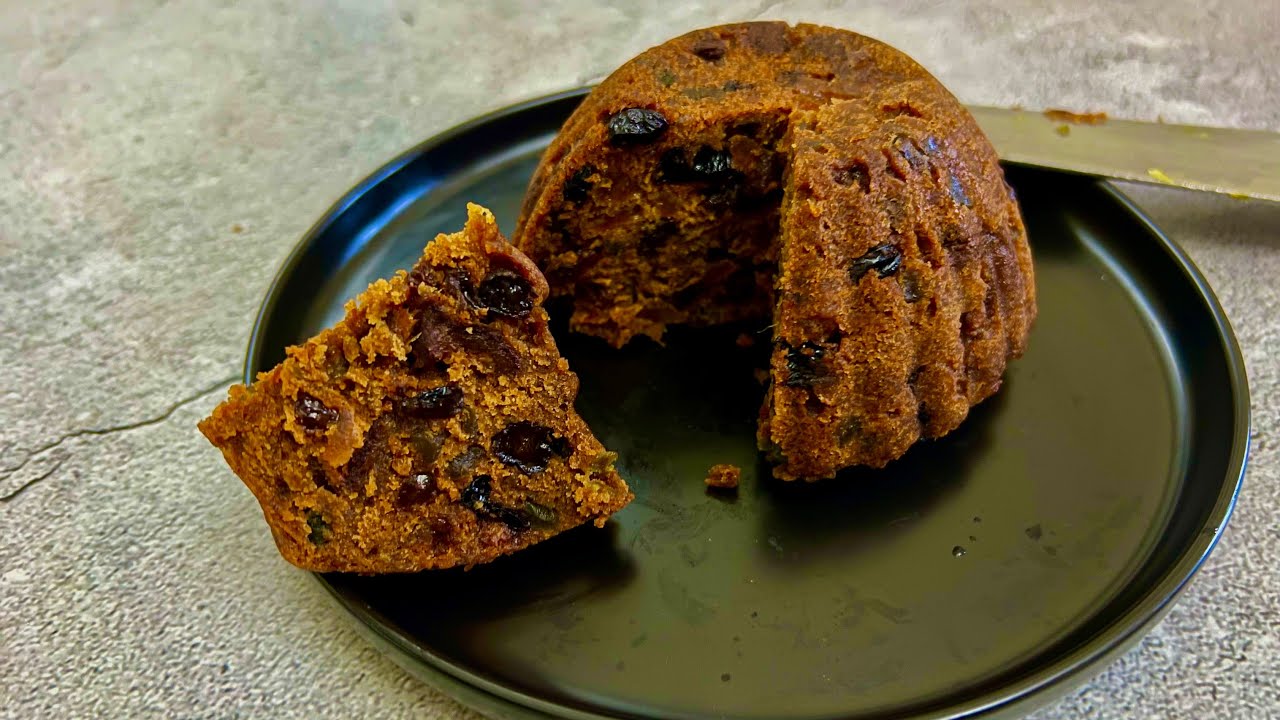
Pudding is a soft and creamy dessert made using simple kitchen ingredients like milk, sugar, and a thickening agent such as cornflour or custard powder. It has a smooth texture and a mildly sweet taste, which makes it a popular homemade dessert in many households. When students are asked how to make pudding paragraph , they are expected to explain the full process in a single continuous form rather than using steps or bullet points. This type of writing is commonly used in school exams to test clear expression and simple English writing skills.
What is Pudding?
Pudding is a dessert that is prepared by heating milk and thickening it using starch-based ingredients. It can be served in different flavors such as vanilla, chocolate, caramel, or fruit-based versions. The main reason pudding is widely loved is because it does not require baking and can be prepared easily at home with very few ingredients. Its soft texture and creamy consistency make it suitable for all age groups.
Ingredients Used to Make Pudding
To prepare pudding, only a few basic ingredients are required. Milk acts as the base and gives a smooth texture. Sugar is added for sweetness. Cornflour or custard powder is used as the thickening agent, which helps the mixture turn creamy when heated. Flavoring ingredients like vanilla essence or cocoa powder are added to improve taste. Some people also use fruits, nuts, or chocolate pieces for extra flavor and decoration.
How to Make Pudding Paragraph
To make pudding, milk is first heated in a pan on a low flame. Sugar is added and stirred until it completely dissolves. In a separate bowl, cornflour or custard powder is mixed with a small amount of cold milk to form a smooth mixture without lumps. This mixture is slowly poured into the warm milk while stirring continuously. As it cooks, the mixture gradually starts thickening and becomes smooth and creamy.
The pudding is cooked until it reaches a proper consistency where it coats the spoon lightly. After that, it is removed from heat and allowed to cool at room temperature. Once cooled, it is placed in the refrigerator for a few hours so that it sets properly. The final result is a soft, creamy dessert that can be served chilled with toppings like fruits, chocolate, or nuts.
Types of Pudding and How to Make Them
Pudding comes in different varieties depending on ingredients and cooking methods used.
Each type has its own simple preparation process that can be made at home with basic kitchen items.
1. Chocolate Pudding
Chocolate pudding is made using milk, sugar, cocoa powder, and a thickening agent like cornflour or custard powder. To prepare it, milk is first heated on a low flame. Sugar and cocoa powder are mixed in and stirred until fully dissolved. A cornflour slurry (cornflour mixed with cold milk) is then added slowly while stirring continuously. The mixture is cooked until it thickens into a smooth, creamy texture. Once done, it is removed from heat, cooled, and refrigerated until set.
2. Vanilla Pudding
Vanilla pudding has a light and smooth taste made using milk, sugar, cornflour or custard powder, and vanilla essence.
For cooking, milk is gently heated and sugar is added until it dissolves. A prepared cornflour mixture is added slowly while stirring to avoid lumps. The mixture thickens as it cooks on low flame. After reaching a creamy consistency, vanilla essence is added, and the pudding is allowed to cool before chilling in the fridge.
3. Rice Pudding
Rice pudding is a thicker dessert made with rice, milk, sugar, and flavoring like cardamom or cinnamon. To make it, rice is first washed and cooked in milk on low heat. Sugar is added once the rice softens. The mixture is stirred frequently so it does not stick to the pan. As milk reduces and rice absorbs it, the pudding becomes thick and creamy. It is then flavored and served warm or chilled.
2. Bread Pudding
Bread pudding is made using bread pieces, milk, sugar, eggs, and spices. The process starts by soaking bread in a milk and egg mixture until soft. Sugar and spices are added for flavor. The mixture is then baked or steamed until it sets and turns slightly firm. After cooking, it is allowed to cool so it becomes soft but holds shape. It is often served warm.
3. Custard Pudding
Custard pudding is a smooth dessert made using milk, sugar, eggs or custard powder, and flavoring. Milk is heated first, and sugar is mixed in. Custard powder or beaten eggs are added slowly while stirring constantly. The mixture is cooked on low heat until it thickens into a silky texture. It is then poured into molds, cooled, and refrigerated until fully set.
4. Fruit Pudding
Fruit pudding is made using milk, sugar, cornflour, and fruit puree like mango, banana, or strawberry.
Milk is heated and sweetened with sugar. Cornflour slurry is added while stirring continuously until the mixture thickens. After cooking, fruit puree is mixed in gently. The pudding is cooled and chilled so it sets with a fruity flavor and creamy texture.
Mistakes to Avoid While Making Pudding
Here are a few things that you should avoid while making Pudding so that the dish turns out to be good:
1. Cooking on high flame: Cooking pudding on high heat can burn the milk or cause uneven texture. Low flame is always better for smooth results.
2. Not stirring continuously: If you do not stir properly while cooking, the mixture can form lumps and become grainy instead of creamy.
3. Incorrect cornflour measurement: Using too much cornflour makes the pudding very thick, while too little makes it runny and unset.
4. Adding cornflour directly into hot milk: This can create lumps instantly. Always mix cornflour with cold milk first to form a smooth slurry.
5. Skipping proper cooking time: If the mixture is not cooked long enough, the starch will not activate properly, and the pudding will not set.
6. Rushing the cooling process: Pudding needs time to set. Skipping or shortening refrigeration can affect its texture and firmness.
Tips for Perfect Pudding
For the best result, always use fresh milk. Cook on low flame and stir continuously to maintain a smooth texture. Make sure the mixture is cooked until it thickens properly. Allow enough time for refrigeration so the pudding sets well. Adding toppings like fruits, nuts, or chocolate just before serving improves both taste and presentation.
Conclusion
Pudding is one of the simplest desserts that can be made at home using very few ingredients and minimal effort. It is soft, creamy, and can be flavored in many different ways depending on personal preference. Writing a how to make pudding paragraph helps students explain the process clearly in exams and improves their English writing skills. With proper technique and patience, anyone can prepare smooth and delicious pudding at home and enjoy it as a sweet treat.
Frequently Asked Questions (FAQs)
Q1. What are the most common types of pudding?
The most common types of pudding include chocolate pudding, vanilla pudding, rice pudding, bread pudding, custard pudding, and fruit pudding. Each type uses similar basic ingredients but differs in flavor and texture.
Q2. How is pudding usually made at home?
Pudding is usually made by heating milk, adding sugar, and mixing it with a thickening agent like cornflour or custard powder. The mixture is cooked on low heat while stirring continuously until it becomes thick and creamy.
Q3. Why does pudding become lumpy sometimes?
Pudding becomes lumpy when the mixture is not stirred properly or when cornflour is added directly into hot milk without mixing it in cold milk first. High heat can also cause uneven texture.
Q4. How long does pudding take to set?
After cooking, pudding usually takes around 2 to 4 hours in the refrigerator to set properly. Chilling helps it become firm, smooth, and creamy.
Q5. Can pudding be made without cornflour?
Yes, pudding can also be made using alternatives like eggs (for custard pudding), rice (for rice pudding), or bread (for bread pudding), depending on the recipe type.