How to Make Edible Cookie Dough for a Quick Sweet Treat
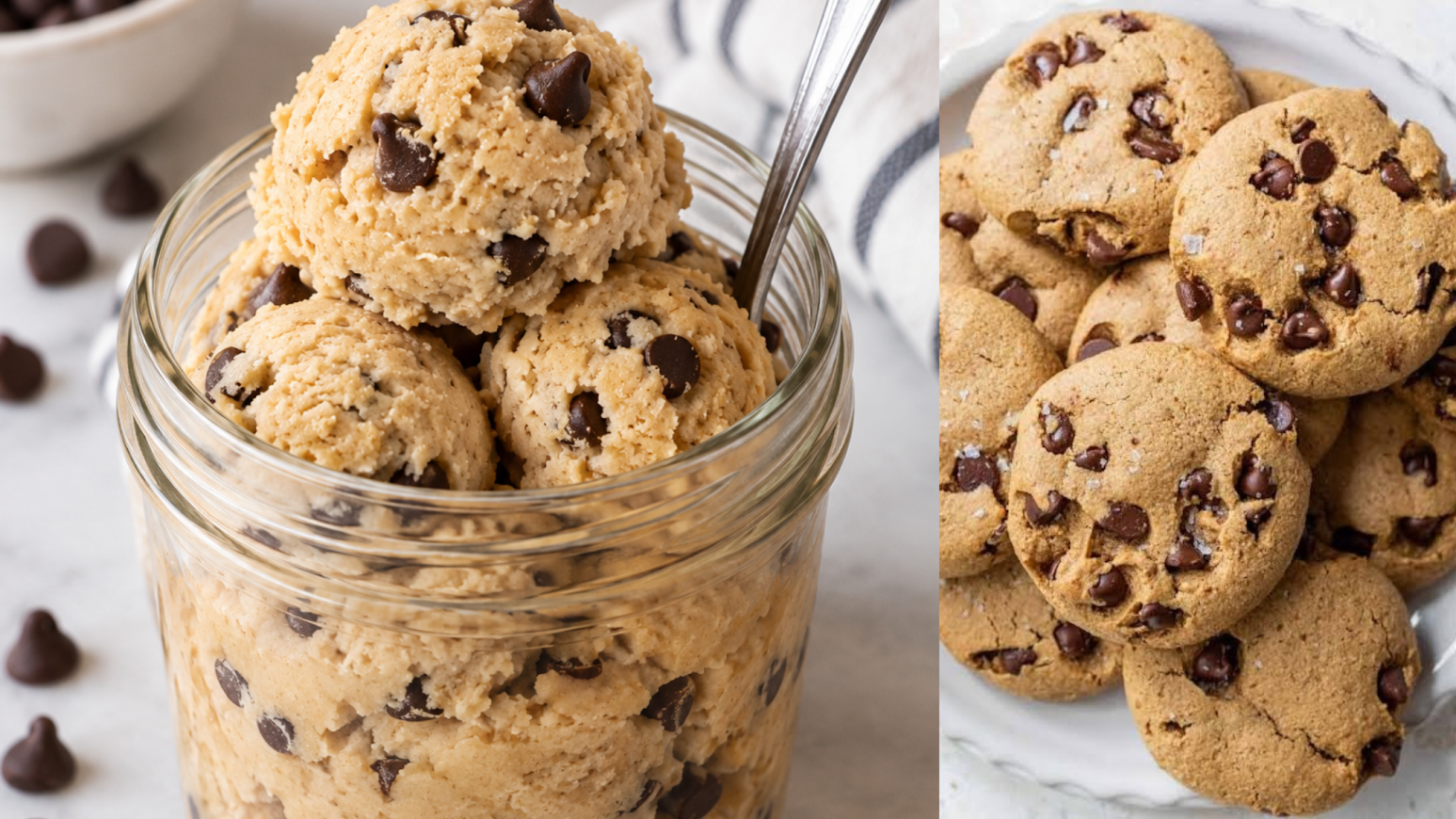
Craving chocolate chip cookies but don’t want to turn on the oven? Edible cookie dough gives you that buttery, sweet flavor in a soft, spoonable dessert you can prepare in minutes. With a few basic ingredients, you can make a small batch for an afternoon treat, a movie night, or a quick dessert after dinner.
Learning how to make edible cookie dough is simple when you use the right ingredients and follow a few basic steps. This egg-free recipe combines butter, brown sugar, vanilla, milk, and chocolate chips for a classic cookie dough flavor. The important part is choosing flour intended for consumption without further cooking, because ordinary raw flour can carry harmful bacteria.
What Is Edible Cookie Dough?
Edible cookie dough is a no-bake dessert made to be eaten without putting it in the oven. It has the familiar sweetness of traditional chocolate chip cookie dough, with a soft texture and small pieces of chocolate throughout. Unlike conventional cookie dough, an edible version is formulated with ingredients that are suitable for eating without baking. A typical recipe uses butter, brown sugar, granulated sugar, vanilla extract, flour, milk, salt, and chocolate chips.
Ingredients You Need to Make Edible Cookie Dough
You don’t need a long shopping list to prepare homemade edible cookie dough. The following measurements make a small batch of classic chocolate chip cookie dough.
- 1/2 cup all-purpose flour: Use commercially heat-treated flour specifically intended for ready-to-eat use.
- 1/4 cup unsalted butter: Let it soften at room temperature before mixing.
- 1/4 cup packed brown sugar: Adds moisture and a caramel-like flavor.
- 2 tablespoons granulated sugar: Gives the dough its familiar sweetness.
- 1/2 teaspoon vanilla extract: Adds a warm, sweet aroma.
- 1–2 tablespoons milk: Helps bring the ingredients together.
- A small pinch of salt: Balances the sweetness.
- 1/4 cup semi-sweet chocolate chips: Provides the classic chocolate chip flavor.
These measurements are a starting point, so you can adjust the milk slightly to get the texture you prefer. For food safety, choose commercially heat-treated flour labeled for ready-to-eat use rather than assuming ordinary flour is safe after a quick home-heating method.
Ingredient Substitutions
If you only have salted butter, you can use it and leave out the added salt. Plant-based butter and dairy-free milk can work for a vegan version, provided the chocolate chips are also dairy-free. Check the labels to make sure the ingredients meet your dietary needs.
You can replace semi-sweet chocolate chips with mini chocolate chips, white chocolate chips, or chopped chocolate. For a gluten-free version, choose a suitable ready-to-eat gluten-free flour product and follow its instructions. Different flour alternatives absorb moisture differently, so add milk gradually until the dough reaches a soft consistency.
How to Make Edible Cookie Dough Step by Step

Making edible cookie dough takes only a few minutes of mixing once your ingredients are ready. The goal is to create a soft, creamy dough with evenly distributed chocolate chips. Follow these steps for a simple homemade version.
Step 1: Prepare the Ingredients
Measure the ingredients before you start. Take the butter out of the refrigerator early enough to soften, and keep your mixing bowl, spoon, and other utensils clean.
Accurate measurements help you avoid common problems. Too much flour can make the dough dry and crumbly, while too much milk can leave it sticky. Starting with the correct quantities makes the final texture easier to control.
Step 2: Choose Safe, Ready-to-Eat Flour
Ordinary flour is a raw agricultural product and may contain harmful bacteria, including E. coli and Salmonella. Grinding or bleaching flour does not reliably remove these germs.
For edible cookie dough, use commercially heat-treated flour specifically intended for consumption without further cooking. The US Food and Drug Administration advises against relying on home heat-treatment methods because they may not effectively eliminate bacteria. If your flour is not labeled or otherwise confirmed as suitable for ready-to-eat use, don’t assume it is safe for this recipe.
Step 3: Cream the Butter and Sugars
Place the softened butter, brown sugar, and granulated sugar in a mixing bowl. Stir or beat them until the mixture looks creamy and the sugars are evenly distributed.
This step creates the buttery base of your cookie dough. Softened butter is easier to mix than cold butter, while melted butter can make the finished mixture greasy or overly soft. If the butter is still firm, give it a little more time at room temperature.
Step 4: Add the Milk and Vanilla
Mix the vanilla extract into the butter and sugar mixture, then add one tablespoon of milk. Stir until the ingredients are well combined.
Milk helps the dough hold together and gives it a softer texture. You may need the second tablespoon, but wait until you’ve added the flour before deciding. Adding all the liquid too early can make it harder to achieve the right consistency.
Step 5: Mix in the Flour and Salt
Add the ready-to-eat flour and salt to the bowl. Stir until no dry patches remain and the mixture forms a soft dough.
If the dough feels crumbly, add a little more milk and mix again. If it seems too sticky, refrigerate it briefly before adding more flour. Extra flour can change the flavor and texture, so make small adjustments rather than adding large amounts at once.
Step 6: Fold in the Chocolate Chips
Add the chocolate chips and fold them through the dough with a spoon or spatula. Mix just enough to distribute them evenly.
Semi-sweet chocolate chips provide a balanced flavor, but you can use mini chips for smaller chocolate pieces in every bite. If you prefer a richer taste, try chopped dark chocolate. For a dairy-free dessert, choose chocolate chips that are labeled dairy-free.
Step 7: Serve or Chill the Dough
Your edible chocolate chip cookie dough is ready once all the ingredients are combined. You can serve it immediately or refrigerate it briefly if you prefer a firmer texture.
Cold butter firms up in the refrigerator, so the dough may become harder after chilling. Let a portion soften briefly before serving, but keep the remaining dough refrigerated. Store leftovers in a clean, airtight container and follow the recipe’s storage instructions.
Tips for Making the Best Edible Cookie Dough
When learning how to make edible cookie dough, a few simple adjustments can improve its taste, texture, and consistency.
- Use ready-to-eat heat-treated flour: Choose commercially heat-treated flour labeled for uncooked recipes. Regular raw flour may contain harmful bacteria.
- Soften the butter first: Room-temperature butter blends smoothly with brown sugar and granulated sugar, creating a creamy base for your edible cookie dough.
- Add milk little by little: Start with one tablespoon and add more as needed. This helps you control the consistency without making the dough too runny.
- Mix the ingredients in the right order: Cream the butter and sugars first, then add vanilla, milk, flour, and salt. Fold in the chocolate chips at the end.
- Avoid adding too much flour: Measure the flour carefully to keep your homemade edible cookie dough soft rather than dry or crumbly.
- Chill the dough if it feels too soft: Refrigerate it for 15–20 minutes to help it firm up before serving.
- Customize the flavor: Add peanut butter, mini chocolate chips, crushed cookies, or colorful sprinkles to create different edible cookie dough variations.
- Store leftovers properly: Keep the dough in an airtight container in the refrigerator and follow the storage guidance for your ingredients.
How to Customize Your Edible Cookie Dough
Once you have the basic recipe, changing the flavor is easy. Add your preferred mix-ins in small quantities so they don’t overwhelm the dough or alter its texture too much.
Chocolate Cookie Dough
Add a small amount of cocoa powder for a richer chocolate flavor. Cocoa absorbs moisture, so the dough may need a little extra milk. Mix thoroughly to avoid dry pockets, then fold in chocolate chips if you want an extra chocolatey dessert.
Peanut Butter Cookie Dough
Stir in a spoonful of peanut butter for a nutty, slightly richer flavor. Since peanut butter changes the consistency, add it gradually and adjust the milk only if necessary. If you’re serving the dough to others, clearly identify the peanut ingredient because it is a common allergen.
Funfetti Cookie Dough
Fold colorful sprinkles into the finished mixture for a fun dessert suited to birthdays and celebrations. Add them at the end and mix gently to prevent the colors from spreading throughout the dough.
Oreo Cookie Dough
Crush chocolate sandwich cookies into small pieces and fold them into the dough. The cookie pieces add chocolate flavor and a little crunch. Add them shortly before serving if you want them to retain more of their texture.
Vegan Edible Cookie Dough
For vegan cookie dough, replace dairy butter with plant-based butter, use plant-based milk, and select dairy-free chocolate chips. Make sure the flour is suitable for ready-to-eat use, too. Check all ingredient labels, particularly if you’re preparing the dessert for someone with food allergies.
What to Do If Your Cookie Dough Texture Is Wrong
Homemade edible cookie dough can turn out differently depending on the temperature of the butter, the type of flour, and the amount of liquid. Most texture issues can be corrected with small adjustments.
Cookie Dough Dry or Crumbly
Too much flour or insufficient milk can make the dough fall apart. Add milk a teaspoon at a time, mixing after each addition until the dough holds together. Measuring the flour accurately from the beginning is the easiest way to prevent this problem.
Cookie Dough Too Soft
Warm butter or excess milk can leave the dough sticky. Place it in the refrigerator for a short period to help the butter firm up. If the texture remains too soft, make small adjustments rather than adding a large quantity of flour.
Cookie Dough Taste Grainy
Granulated and brown sugars may remain slightly noticeable in an uncooked mixture. Creaming the butter and sugars thoroughly helps distribute them more evenly. If you prefer a smoother texture, make sure the butter is properly softened before mixing and give the sugar enough time to blend into the butter.
How to Store Edible Cookie Dough
Transfer leftover edible cookie dough to a clean, airtight container and refrigerate it promptly. Because this recipe contains butter and milk, it should not be left at room temperature for extended periods. Follow the storage guidance provided with your recipe and use the dough within its recommended period.
You can also freeze the dough in individual portions using a freezer-safe container. Label the container with the date and follow a tested recipe’s freezing instructions. When you’re ready to eat it, thaw the portion in the refrigerator rather than leaving it out for hours.
Refrigerated cookie dough may become firm as the butter cools. Let a small portion soften briefly before serving, while keeping the rest chilled. Discard the dough if it has been stored improperly or shows signs of spoilage.
How to Serve Edible Cookie Dough
Edible cookie dough can be enjoyed on its own, but it also works well in other desserts. Try one of these simple serving ideas:
- By the spoonful: Serve small portions in dessert bowls for a quick sweet treat.
- As a dip: Pair the dough with suitable cookies, pretzels, or fresh fruit.
- In dessert cups: Layer small portions with whipped topping or other ready-to-eat ingredients.
- With ice cream: Add it to ice cream as a topping, using dough made with ingredients suitable for uncooked consumption.
- As cookie dough bites: Shape chilled dough into small portions and keep them refrigerated until serving.
If you serve the dough at a gathering, tell guests about any relevant allergens, including wheat, milk, soy, or peanuts when those ingredients are present.
Wrapping Up
Homemade edible cookie dough is an easy dessert when you want the flavor of chocolate chip cookies without baking a batch. With butter, sugar, vanilla, milk, chocolate chips, and suitable ready-to-eat flour, you can prepare a soft, sweet treat in just a few minutes.
Once you understand how to make edible cookie dough, you can experiment with peanut butter, cocoa powder, or crushed chocolate sandwich cookies to create different flavors. Choose ingredients carefully, handle the mixture hygienically, and refrigerate leftovers promptly. That way, you can enjoy your homemade treat while taking food safety seriously.
Frequently Asked Questions
Q1. How to Make Edible Cookie Dough Without Eggs?
Mix softened butter with brown sugar, granulated sugar, vanilla, and a little milk. Add commercially heat-treated ready-to-eat flour and salt, then fold in chocolate chips. Adjust the milk gradually until the dough is soft and holds together.
Q2. Can You Eat Edible Cookie Dough Without Baking It?
Yes, when the recipe is specifically formulated for eating without baking and all ingredients are suitable for that purpose. Ordinary cookie dough made with untreated flour or raw eggs should not be eaten uncooked.
Q3. Can You Make Edible Cookie Dough Without Brown Sugar?
Yes. Replace the brown sugar with granulated sugar, but expect a slightly different flavor and texture. Brown sugar contributes a caramel-like taste, so the finished dough may taste less rich without it.
Q4. How Long Does Homemade Edible Cookie Dough Last?
The storage period depends on the ingredients, preparation, and handling. Keep the dough in an airtight container in the refrigerator and follow the recipe’s specific storage instructions. Do not assume that an egg-free recipe will stay safe indefinitely.
Q5. Can You Freeze Edible Cookie Dough?
Yes. Divide the dough into portions, place them in a freezer-safe airtight container, and follow a tested recipe’s freezing guidance. Thaw individual portions in the refrigerator before serving.
Q6. Why Is My Edible Cookie Dough Too Dry?
Excess flour or insufficient liquid can make cookie dough dry and crumbly. Add milk a teaspoon at a time, mixing after each addition until the dough comes together. Accurate flour measurements also help prevent dryness.