How to Select the Right Sewing Thread for Children’s Wear Manufacturing
There is no ideal sewing thread or recycled sewing thread for kids’ clothes, but you need one that is both strong and soft. Manufacturers should pay attention to 100% spun polypropylene or core-spun threads of high safety, colorfast quality for washability, and match that to the thread weight with fabric type to avoid irritation while wearing the product.
Overview of Children’s Wear Manufacturing
Children’s clothes encounter extreme demands in everyday usage. Children crawl, run, play, and spill – and need clothes that can withstand constant friction and laundering. In addition, a child’s skin is very sensitive; therefore, the ability of the garment to function is only half the story; the comfort and security of its seams are just as important !
The strength of both the sewing thread and its ability to be tied to whatever it is used to make up 50% of its performance in children’s garments, whether it be seam integrity, child comfort, or performance.
For mass-produced children’s wear, manufacturing companies do not have the luxury of creating simple techniques that could be developed as a hobby. They must take all these factors into account to ensure they have a product that is compatible in fiber type, thread weight, chemically safe, and marketable.
Fiber Composition: Emphasizing Durability & Comfort
The other materials from which good sewing threads are made lie at the base of the thread. For children’s clothing, spun polyester and core-spun polyester are the most popular types of fabric.
- Spun Polyester Feed: It is a thread consisting of short (staple) polyester fibers. It is elastic and suitable for various stretch fabrics, such as children’s playwear. It is very durable against washing and shrinking. Example: recycled polyester thread.
- Core-Spun Polyester: A composite material made with polyester filament, cording, or surface polyester that is spun with cotton fibers. It is an ideal mix of polyester strength and a cotton-like soft, sewable texture.
- 100% Cotton: Cotton has softness properties, good heat transfer, and lacks the flexibility and strength of polyester. It’s usually used in organic, luxury heirloom clothing and could be susceptible to tearing during strenuous or busy tasks.
Matching the Fabric – Weight and Sizing
The weight of threads refers to thickness. This is usually indicated by the Tex system (weight per 1000m) or known as Ticket Numbers in the garment industry. The rule of thumb is to use materials that match the weight of the material being knitted.
- Tex 27 to 30: The Tex numbers for 27 to 30 are fine lightweight yarns that work best for many fine children’s undergarments used for summer knits and thin cotton. They will not create lumpy or rough insides in the garment’s lining.
- Tex 35-45: These are universal threads, applied to children’s clothes, including sportswear , school uniforms, and general woven products.
- Above Tex 60: Heavier threads. Outside of children’s clothing, they are used as decoration on clothes, such as topstitching on denim overalls or on canvas jackets. A thicker thread than is required for lightweight baby clothes may create seams that pucker the fabric and could irritate the baby’s skin.
Special Considerations – Elastic and Soft Seams
Knit fabrics are crucial when it comes to children’s wear due to their level of comfort for the child, which necessitates the use of certain specialized threads.
- Textured Polyester / Wooly Nylon: These threads have a high texture and very elastic feel and are often used for loopers in overlock and serger machines. They ensure soft and flat seams that won’t irritate the skin, making them ideal for baby wear and activewear.
- Elastic Shirring Thread: Used for gathered or expandable sections in dresses and tops. It is usually made with an elastic center surrounded by soft threads, allowing it to be fitted for comfort and flexibility.
Safety and Regulatory Compliance
Safety cannot be compromised in the children’s wear market. Manufacturers must ensure that their threads meet international textile safety requirements.
- Oeko-Tex Certification: Reputable manufacturers source threads certified by organizations like Oeko-Tex, which guarantees that the thread is free from harmful chemicals, azo dyes, and heavy metals that could harm a child.
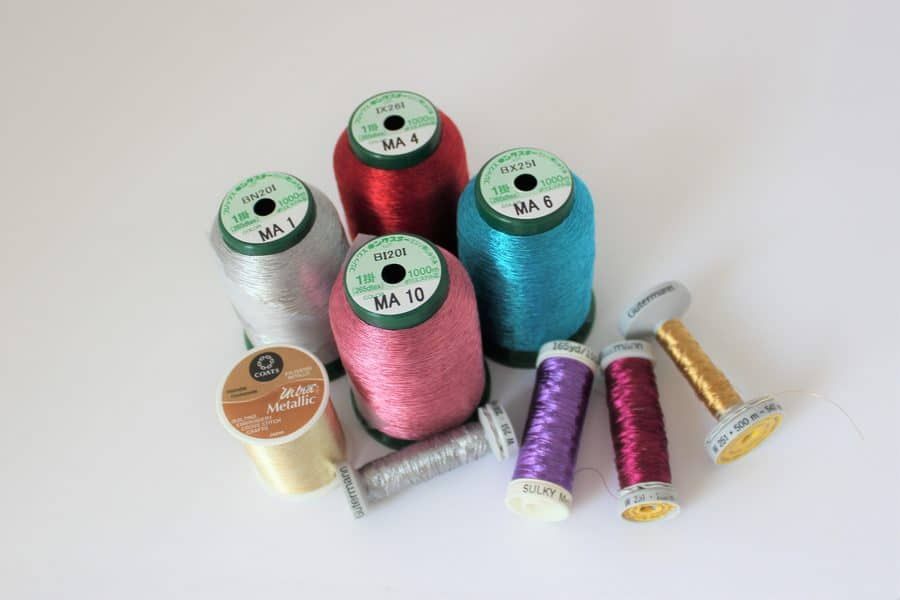
- Metal Thread & Decorative Hardware: Metallic threads and other ornamental metal fittings must comply with lead testing regulations.
Colour Matching and Fastness
Children also care about looks. The color or tone of threads should match the fabric, or if a specific part of the design requires it, then the thread should be the appropriate color or tone.
- Color fastness: Children’s clothing is washed often, and aggressive stain removers may be used. Sewing threads should not bleed or fade in color earlier than the fabric and must be colorfast.
- Shading: If no match is available, manufacturers will generally choose a color one or two shades darker than the color of the fabric itself. A lighter or white thread can be utilized for very light or pastel colors to achieve a good color match.
Conclusion
When it comes to sewing children’s clothes, selecting the correct sewing thread is a complex task that may impact the quality of the product and prevent any manufacturing safety incidents. With care and attention to chemical safety, manufacturers can use substantial core yarns of polyester fiber and choose yarn that matches that of other outfits in their children’s clothing so that the garment won’t be uncomfortable, cold, or unsafe to wear when put to the test.