The Growing Importance of Repairability in Sustainable Footwear Design
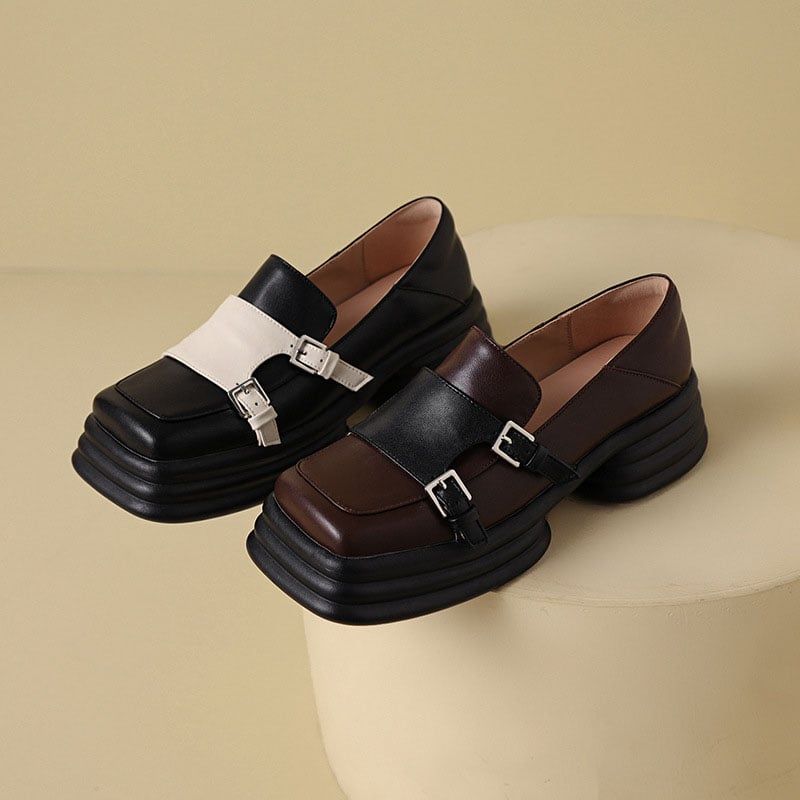
Sustainability has emerged as the industry’s top priority when it comes to footwear. The emphasis on carbon footprint reduction, as more consumers, brands, and regulators turn their attention to the environment, means brands are reconsidering their footwear design, production, usage, and disposal. Repairability is another crucial element in a successful sustainable approach, although it has not received as much attention as sustainable materials, recycling programs, and carbon footprint reduction.
Repairability is the ability to easily repair, recondition, or maintain a product throughout the product lifecycle. Repairability in shoe design extends a shoe’s longevity by allowing it to be modified when it is worn out or damaged, thereby reducing the need to replace it and waste, due to various design options. Manufacturers can design products in a way that supports circular economy goals and offers more value to consumers through emphasizing a design that is easier to repair.
As the footwear industry works toward more sustainable production and consumption models, repairability is emerging as a key strategy for extending product life and reducing environmental impact.
Understanding Repairability in Footwear
Repairability is the design of shoes where parts can be replaced and fixed individually without discarding the shoe. Repairability can be a way of thinking about footwear as disposable because you can think of how the product can be maintained over time and restored.
Typical parts of shoes that can be repaired are the following:
- Outsoles
- Insoles
- Laces
- Eyelets
- Stitching
- Uppers
- Heel units
- Cushioning elements
If these parts can be efficiently repaired or replaced, footwear can last a lot longer, meaning that fewer resources are consumed and less waste is produced.
Why Repairability Matters for Sustainability
- Reducing Footwear Waste
With millions of pairs of shoes being thrown away each year across the world, many of these shoes are turning up in landfills. Shoes are often discarded because of small problems like worn soles, stitching that has come loose, or even broken eyelets.
One way to solve this issue is to repair shoes that are broken instead of replacing them entirely—this is called repairable footwear. When product life is extended, the amount of footwear thrown out at disposal decreases, with a corresponding reduction of the environmental costs of making new shoes.
2. Conserving Resources
A wide array of raw materials, energy, water, and human labor is needed for footwear manufacturing. Each new pair of shoes used in the manufacturing process utilizes resources all the way from start to finish.
The more the shoes can be used for longer on the basis of repair and maintenance, the lower the need for replacement shoes. The use of the following resources is decreased:
- Leather and textiles
- Synthetic materials
- Rubber compounds
- Adhesives and chemicals
- Energy inputs in industry
Resource conservation is among the key environmental advantages of repairability.
3. Lowering Carbon Emissions
Most of the shoe’s environmental footprint happens in the manufacturing and material production phases. Lengthening the life of products decreases the rate of replacement purchases and hence helps limit the carbon footprint of footwear consumption.
Repairing a worn sole or replacing damaged stitching tends to produce a lot fewer emissions than the creation, packaging, and delivery of a totally new pair of shoes.
Footwear Design for Repairability
Repairability needs to be planned from day one in the product design. To enable effective repair of designs, the materials, construction techniques, and accessibility of the parts must be considered.
- Modular Design Approaches
You can replace individual components of modular footwear separately.
Examples include:
- Replaceable outsoles
- Interchangeable insoles
- Removable cushioning systems
- Replaceable heel components
Modular designs allow for easy and simple repairs and longer product life without a complete reconstruction.
2. Durable Construction Techniques
When repairing footwear, the structure should be designed to aid future repair activities.
Earlier it was thought that a stitched construction might have advantages with respect to the fully bonded design because it is easier to remove and replace components used in stitched constructions.
Typical constructions for repair are:
- Goodyear welt construction
- Blake stitching
- Stitch-down construction
These techniques have long been appreciated for their longevity and ability to be repaired.
3. Accessible Components
The aim of enhancing the repairability is to ensure that critical parts are easy to access and that the necessary maintenance can be carried out without causing damage to the surrounding material.
For example:
- Replaceable laces and eyelets
- Easily removable insoles
- Serviceable heel units
- Repair-friendly seam structures
User-friendly designs minimize repair complications and expense.
The Role of High-Quality Sewing Threads
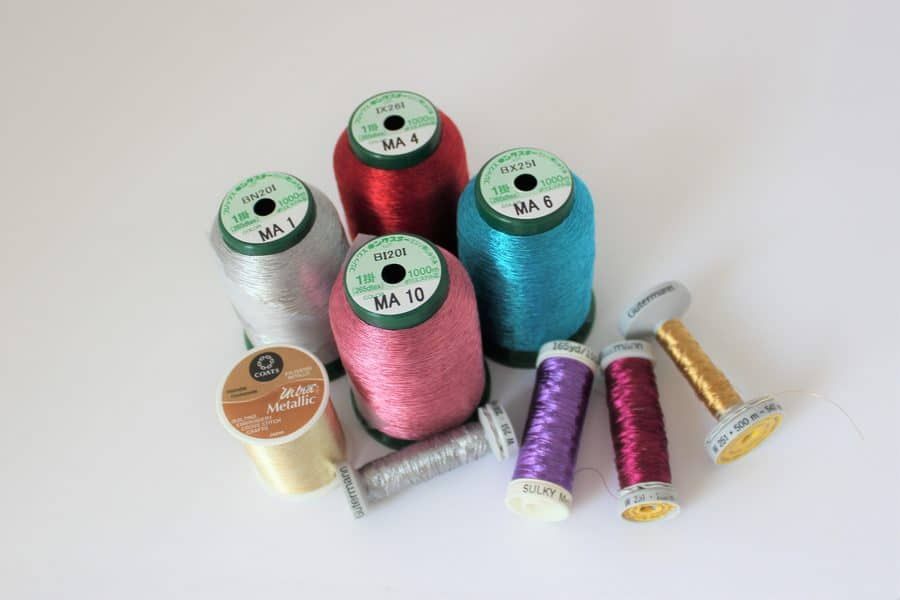
Sewing threads (bonded nylon thread) are very important to the durability of footwear and to the ability of footwear to be repaired. Stitching should be strong such that failures do not occur prematurely and will also facilitate future repairs.
- Enhancing Product Longevity
Strong sewing threads (polyester sewing thread) that increase seam strength and resistance to the following:
- Abrasion
- Flexing
- Moisture exposure
- UV degradation
- Repeated stress
The long-lasting seams that these boots experience during use mean that the chances of early product failures are minimized and footwear lifespan is extended.
2. Supporting Repair Processes
During a repair, high-quality threads help restore structural integrity in a competent fashion. A consistent thread ensures strong, re-seamed durability and appearance.
When it comes to polyester and speciality threads, manufacturers are increasingly choosing those with advanced durability properties and performance to work well with repair work.
Consumer Benefits of Repairable Footwear
Repairability offers advantages that extend beyond environmental sustainability.
- Improved Value for Money
Repairable products seem to be considered to be better long-term investments by consumers. Some of the components in footwear can be replaced, but not necessarily replaced with a completely new footwear, which can help save on the replaced ownership over time.
2. Strength Perception
Footwear that minimizes over-replacement. ies top quality and top craftsmanship. Repairability is becoming a known testament to quality and sustainability for consumers.
Repairability and the Circular Economy
The idea of ‘repaired’ relates strongly to the principles of a circular economy, which aim to keep products and materials in use for as long as possible.
In a circular shoe system:
- Products are created to be durable.
- Parts are replaced or repaired as needed.
- Materials are recovered at end-of-life.
- Waste generation is minimized.
Repairability is a stepping stone between product use and material recovery to ensure that footwear has as many useful lives as possible before making it for recycling.
Currently, various footwear companies are investigating repair solutions, refurbishment solutions, and take-back programs, among others, as improvements to the circular economy.
Problems Arising in the Implementation of Repairability
Designing for repairability has its challenges, even though it is beneficial.
Manufacturers may face the following:
- Increased design complexity
- Increased upfront costs
- Limited repair infrastructure
- Consumer preference for low-cost replacement
- Supply chain adjustments
But, as consumers become more aware and regulators have been interested in product durability, there is greater investment in products designed for reparability.
Trends in Footwear for Repairs – Coming Soon
With constantly shifting expectations for ‘sustainability,’ repairability will be increasingly relevant in footwear design.
Emerging trends include:
- Digital repair guides
- Replacement component programs
- Repair-focused product certifications
- Solutions in durable and recyclable stitching
- Design standards supporting extended product life
New materials, production techniques, and business models will continue to facilitate the ability to wear repairable footwear products.
Conclusion
Repairability becomes one of the key factors for the sustainable design of footwear. Manufacturers can help cut down the waste, conserve resources, and minimize environmental impact by allowing products to be maintained, repaired, and used for longer. From building techniques to modular structures, efficient material selection to effective sewing threads, the characteristics that extend the lifespan of footwear align with the goals of the circular economy.
Because consumers are now focused on sustainability and longevity, repairability is becoming an attractive option for footwear brands to provide sustainability benefits, improve product value, and boost buyer satisfaction. In the circular journey toward a more sustainable footwear industry, designing for repairability is no longer just an option—it is becoming a necessity.