How to Roast a Chicken for a Delicious Homemade Meal
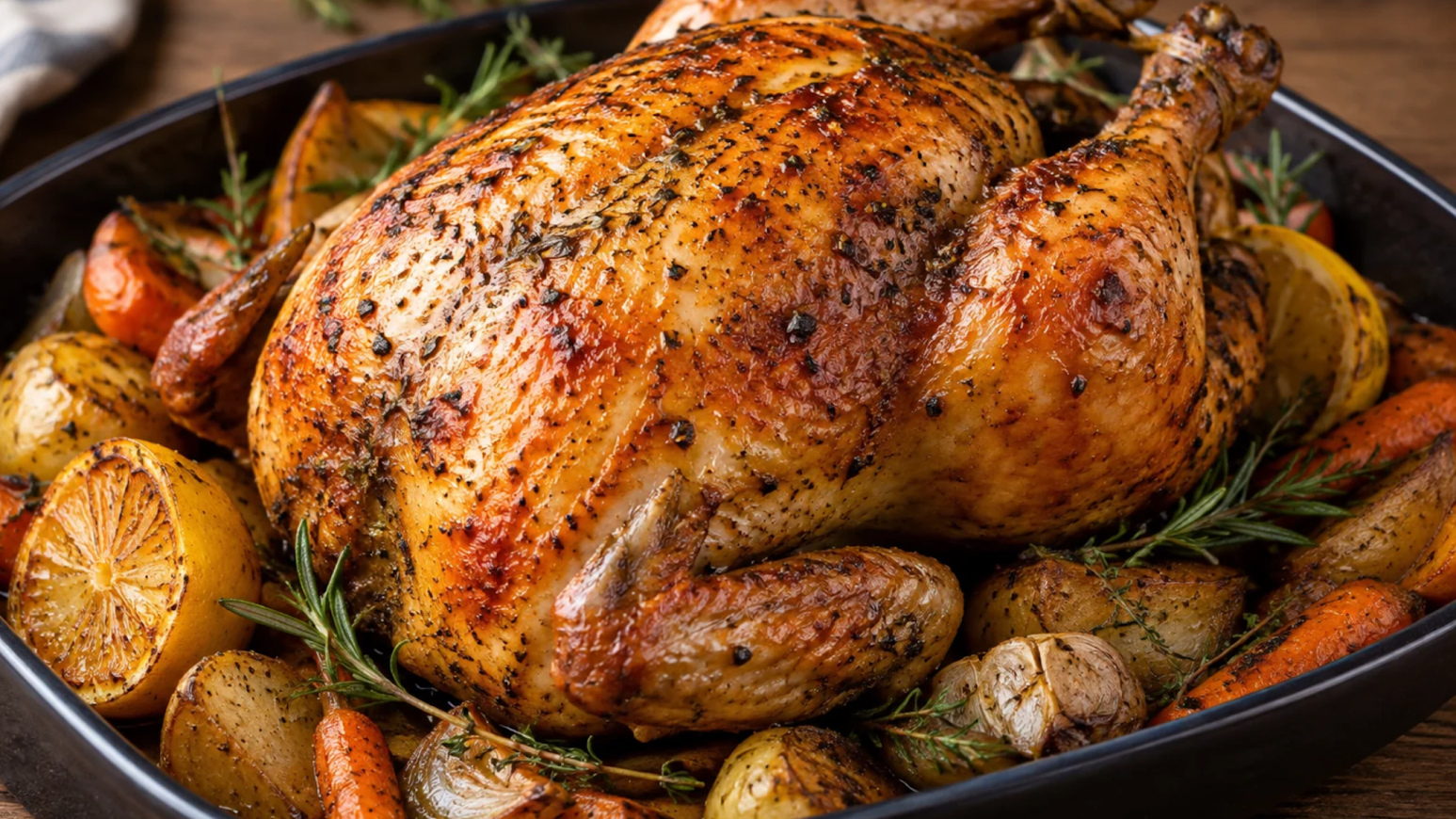
Roast chicken is a classic homemade meal with golden, crispy skin and tender, juicy meat. You can serve it for a family dinner, a weekend lunch, or a special occasion with roasted vegetables, potatoes, or homemade gravy. The best part? You don’t need complicated ingredients or professional cooking skills to prepare it.
Learning how to roast a chicken is simple when you understand the right preparation, seasoning, oven temperature, and cooking time. This guide explains each step, along with practical tips for crispy skin, juicy meat, and safe storage.
What You Need to Roast a Chicken
A flavourful roast chicken requires only a few basic ingredients. Oil or butter helps the skin brown, while salt, pepper, garlic, and fresh herbs add flavour.
For this recipe, you’ll need:
- 1 whole chicken weighing 3–4 pounds (1.4–1.8 kg)
- 2 tablespoons olive oil or softened butter
- 1–2 teaspoons salt
- ½ teaspoon black pepper
- 3–4 garlic cloves, lightly crushed
- 1 lemon, halved
- Fresh rosemary or thyme
- 1 small onion, cut into wedges (optional)
Keep a roasting pan, paper towels, a sharp knife, a cutting board, and a food thermometer ready. A thermometer helps you confirm when the chicken is fully cooked.
How to Roast a Chicken Step by Step
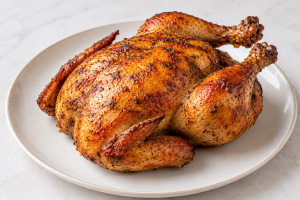
Follow these simple steps on how to roast a chicken with well-seasoned, crispy skin and tender, juicy meat.
Step 1: Preheat the Oven
Preheat your oven to 400°F (200°C). Allow it to reach the selected temperature before placing the chicken inside. This helps the bird begin cooking under consistent conditions.
Step 2: Prepare and Dry the Chicken
Remove the giblets, if present, and pat the chicken dry with paper towels. Drying the skin helps it brown more effectively. Don’t wash raw chicken under running water, as splashes can spread harmful bacteria around your kitchen.
If you’re using frozen chicken, thaw it completely in the refrigerator before roasting.
Step 3: Season the Chicken
Rub olive oil or softened butter evenly over the skin. Season the exterior and cavity with salt and black pepper, then add garlic, lemon, and fresh herbs for extra flavour.
If you have time, salt the chicken several hours beforehand and refrigerate it uncovered. This helps season the meat while drying the skin.
Step 4: Position the Chicken in the Roasting Pan
Place the chicken breast-side up in a roasting pan. Tuck the wing tips underneath if desired, and arrange onion wedges or other vegetables around the bird.
Leave enough space for hot air to circulate. You don’t need to add water because the chicken releases its own juices during cooking.
Step 5: Roast Until Fully Cooked
Place the pan on the middle rack and let the chicken roast. A 3–4-pound bird may take around 1¼–1½ hours at 350°F (177°C), although cooking at 400°F (200°C) may shorten the time.
If the skin becomes too dark before the meat is ready, loosely cover the browned areas with aluminium foil.
Check the thickest part of the breast and the innermost thigh with a food thermometer, avoiding the bone. The chicken must reach at least 165°F (74°C) in the relevant areas before serving.
Step 6: Rest Before Carving
Transfer the cooked chicken to a cutting board and let it rest for 10–20 minutes. This allows the juices to settle and makes carving easier. Use the resting time to prepare gravy or finish your side dishes.
How Long to Roast a Chicken
Roasting time depends on the chicken’s weight, oven temperature, and cooking conditions. Use this table as a general guide for an unstuffed whole chicken at 350°F (177°C).
| Chicken weight | Approximate cooking time |
| 3–4 pounds | 1¼–1½ hours |
| 4–5 pounds | 1½–2 hours |
| 5–7 pounds | 2–2¼ hours |
These times are estimates, not guarantees. If you’re learning how to roast a chicken for the first time, start checking its temperature as the expected cooking time approaches its end. The chicken is ready when the relevant areas reach at least 165°F (74°C). Don’t rely on skin colour or cooking time alone to determine doneness.
What Temperature Should You Roast a Chicken At?
An oven temperature of 400°F (200°C) is a useful choice for golden, crispy skin. You can also roast chicken at 350°F (177°C), which generally requires more time.
Higher heat encourages browning, but the skin may become too dark before the meat is cooked. Cover overly browned areas loosely with foil if needed. Remember that oven temperature and internal temperature are different. Always use a food thermometer to confirm that the chicken reaches at least 165°F (74°C) in the appropriate areas before serving.
Tips for Crispy Skin and Juicy Meat
Small adjustments can make a noticeable difference to your roast chicken.
- Dry the skin thoroughly: Remove surface moisture before seasoning.
- Apply oil or butter evenly: This helps the skin brown and holds the seasoning in place.
- Season in advance: Refrigerating the salted chicken uncovered for several hours can help dry the skin.
- Avoid overcrowding: Leave enough room around the bird for hot air to circulate.
- Keep the oven door closed: Opening it frequently can extend cooking time.
- Check the temperature early: Avoid overcooking by monitoring the chicken near the end.
- Rest before carving: Allow 10–20 minutes before serving.
These simple steps help you achieve crispy skin without sacrificing juicy meat.
Common Mistakes to Avoid When Roasting Chicken
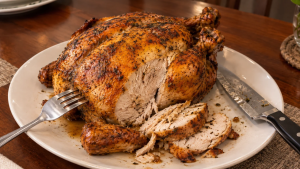
A few common mistakes can affect the texture, flavour, and safety of your meal.
Not Drying the Chicken
Wet skin doesn’t brown as effectively. Pat the chicken dry before applying oil, butter, and seasoning.
Relying Only on Cooking Time
Chicken of the same weight can cook at different rates. Use a thermometer instead of assuming the bird is ready when the timer ends.
Washing Raw Chicken
Rinsing poultry can spread bacteria around your kitchen. Pat it dry with paper towels and clean surfaces that come into contact with raw chicken.
Using Excessive Heat
Very high heat can darken the skin before the interior is fully cooked. Cover the browned areas with foil and continue roasting until the chicken reaches a safe temperature.
Carving Immediately
Cutting into the chicken straight from the oven allows more juices to escape. Let it rest before slicing.
How to Make Gravy From Roast Chicken Drippings
The juices left in the roasting pan provide a flavourful base for homemade gravy. After removing the chicken, carefully collect the drippings and skim off excess fat.
Melt two tablespoons of butter in a saucepan and stir in two tablespoons of flour. Cook for about a minute, then gradually whisk in approximately two cups of chicken stock and the strained drippings.
Simmer until the gravy thickens, stirring to prevent lumps. Taste before adding salt, then serve it warm with sliced chicken, potatoes, or roasted vegetables.
What to Serve With Roast Chicken
Roast chicken pairs well with both simple and filling side dishes. Roasted potatoes, carrots, and onions complement its savoury flavour, while steamed broccoli, green beans, and fresh salad provide lighter options.
For a more substantial meal, serve the chicken with mashed potatoes, rice, or warm bread. Homemade gravy adds extra flavour, while lemon juice and fresh herbs offer a lighter finish.
You can also use leftover chicken in sandwiches, wraps, salads, and soups, making it useful for meal preparation.
How to Store and Reheat Leftover Roast Chicken
Refrigerate leftover chicken within two hours of cooking. Divide large portions into smaller pieces and store them in shallow, covered containers.
Cooked chicken generally keeps for 3–4 days in a refrigerator maintained at 40°F (4°C) or below. For longer storage, freeze it in airtight containers or freezer bags.
To reheat, place the chicken in an oven-safe dish with a little stock or water. Cover and heat in an oven set to around 325°F (163°C) until the internal temperature reaches 165°F (74°C). Uncover briefly at the end if you want to crisp the skin.
Wrapping Up
Knowing how to roast a chicken helps you prepare a satisfying homemade meal with basic ingredients and simple cooking techniques. Dry the skin, season the bird evenly, choose a suitable oven temperature, and allow enough time for roasting. Use a thermometer to confirm that the chicken is fully cooked.
Let it rest before carving, and serve it with roasted vegetables, potatoes, rice, or homemade gravy. Once you’ve mastered the basic method, you can adjust the herbs and seasonings to suit your taste.
Frequently Asked Questions (FAQs)
Q1. How long does it take to roast a whole chicken?
A 3–4-pound chicken usually takes around 1¼–1½ hours at 350°F (177°C). Larger birds require more time, while a hotter oven may shorten cooking time. Always check the internal temperature before serving.
Q2. Should you cover a chicken when roasting it?
You generally don’t need to cover the chicken throughout roasting. Leaving it uncovered helps the skin become golden and crisp. Use aluminium foil if the skin browns too quickly.
Q3. How do you know when roast chicken is done?
Use a food thermometer to check the thickest part of the breast and the innermost thigh, avoiding the bone. The relevant areas must reach at least 165°F (74°C).
Q4. Should you put water in the roasting pan?
Water isn’t necessary because the chicken releases its own juices. You can add a little stock or water if you want additional pan juices for gravy, but too much liquid may interfere with browning.
Q5. How do you keep roast chicken from drying out?
Dry the skin before seasoning, apply oil or butter, and avoid overcooking. Check the internal temperature as the cooking time approaches its end, then rest the chicken before carving.